
If you've been looking for something to help with melasma or stubborn dark patches, you've probably come across tranexamic acid. It started out as a medicine, has become one of the most-discussed ingredients in pigmentation care, and has more research behind it than most "brightening" actives.
Here's what it is, how it works on skin, and what it can and can't do.
What is melasma?
Melasma is a type of hyperpigmentation that shows up as brown or greyish-brown patches, usually on the cheeks, forehead, bridge of the nose and upper lip. It often appears in a fairly symmetrical pattern on both sides of the face.
It's very common in South Asian skin, and more common in women. The main triggers are:
- Sunlight, both UV and visible light. This is the biggest one.
- Hormones, which is why melasma often appears or worsens during pregnancy or with hormonal contraception.
- Heat, including time spent in hot kitchens.
- Genetics. It tends to run in families.
Melasma is different from the dark mark a pimple leaves (post-inflammatory hyperpigmentation) and from sun spots, though many people have more than one type of pigmentation at once. It's also chronic: it can be managed and faded, but it tends to come back if the triggers return.
What is tranexamic acid?
Tranexamic acid (often shortened to TXA) is a synthetic version of the amino acid lysine. Doctors have used it for decades, taken by mouth, to reduce heavy bleeding. Researchers noticed that patients taking it for other reasons sometimes saw their melasma improve, which led to studies of its effect on pigmentation and, eventually, to topical skincare.
In skincare it's used at much lower concentrations and applied to the skin, not swallowed.
How does it work on pigmentation?
Most brightening ingredients act at the end of the pigment process, by slowing down the enzyme (tyrosinase) that makes melanin. Tranexamic acid works earlier, on the signals that tell pigment cells to get going in the first place.
When skin is exposed to UV, a substance called plasmin becomes more active. It releases chemical messengers that stimulate melanocytes, the cells that produce pigment. Tranexamic acid blocks that plasmin activity, so melanocytes receive fewer "make more pigment" signals.
Research also suggests it may help calm some of the blood-vessel and inflammatory changes found in melasma skin, which is one reason it's often described as treating the environment that melasma develops in, rather than just the colour.
Because it works differently from tyrosinase inhibitors, it pairs well with them. Niacinamide is a common partner: it reduces how much pigment is passed from melanocytes to the surrounding skin cells, so the two act on different steps of the same process.
What results can you expect?
Honest expectations matter here:
- It's gradual. Most people need 8 to 12 weeks of consistent, daily use before they see a clear difference.
- It fades, it doesn't erase. Patches typically become lighter and less defined rather than disappearing completely.
- It only works alongside sun protection. Without daily sunscreen, any progress is undone quickly.
- It also helps other dark marks. Because it acts on the pigment signals, it's useful for post-acne marks and uneven tone too, not just melasma.
Topical tranexamic acid is generally well tolerated, including by sensitive skin, and is less likely to irritate than many stronger brightening actives. That makes it a good option for people who've reacted to other pigmentation treatments.
How to use it
- Cleanse, then apply a tranexamic acid serum to dry skin, morning and/or night.
- Cover the whole area, not just the darkest patches, since melasma affects the skin around them too.
- Moisturise if your skin needs it.
- Every morning, finish with a broad-spectrum sunscreen. This step isn't optional.
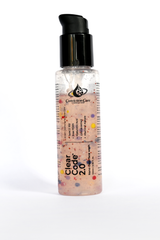
Our Nano Repair Serum uses liposomal tranexamic acid, encapsulated to help it travel into the skin, alongside niacinamide and barrier-supporting ceramides. Supporting the barrier matters with pigmentation, because irritation and inflammation can themselves make dark patches worse.
Sun protection: the non-negotiable
Tranexamic acid helps quiet the pigment signals, and sunlight is what keeps switching them back on. For melasma in particular:
- Use SPF 50 with a high PA rating (PA+++ or PA++++) every day, including on cloudy days and indoors near windows.
- Apply enough: about two finger-lengths for the face and neck.
- Reapply every 2–3 hours when you're outdoors.
- Add a hat, sunglasses and shade where you can.
- Visible light also worsens melasma. Tinted sunscreens containing iron oxides offer extra protection against it, so they're worth considering if your melasma is persistent.
Our Nano Shield SPF 50 is a broad-spectrum mineral sunscreen (PA++++) with niacinamide, designed to be worn daily without a heavy feel.
A few cautions
- Topical is not the same as oral. Tranexamic acid tablets for melasma are a prescription treatment that a doctor has to assess you for, because of its effect on blood clotting. Never take it without medical advice.
- Pregnancy and breastfeeding: check with your doctor before starting any new active, including topical tranexamic acid.
- Patch-test first on your inner arm or jawline for 24 hours.
- See a dermatologist if your pigmentation appeared suddenly, is changing quickly, or is on only one side. Melasma can look like other conditions, and a correct diagnosis makes treatment far more effective.
The bottom line
Tranexamic acid is one of the better-researched, gentler options for melasma and stubborn dark marks. It works on the signals behind pigmentation rather than just the colour itself. Give it three months, pair it with daily sunscreen, and expect gradual fading rather than overnight change.